

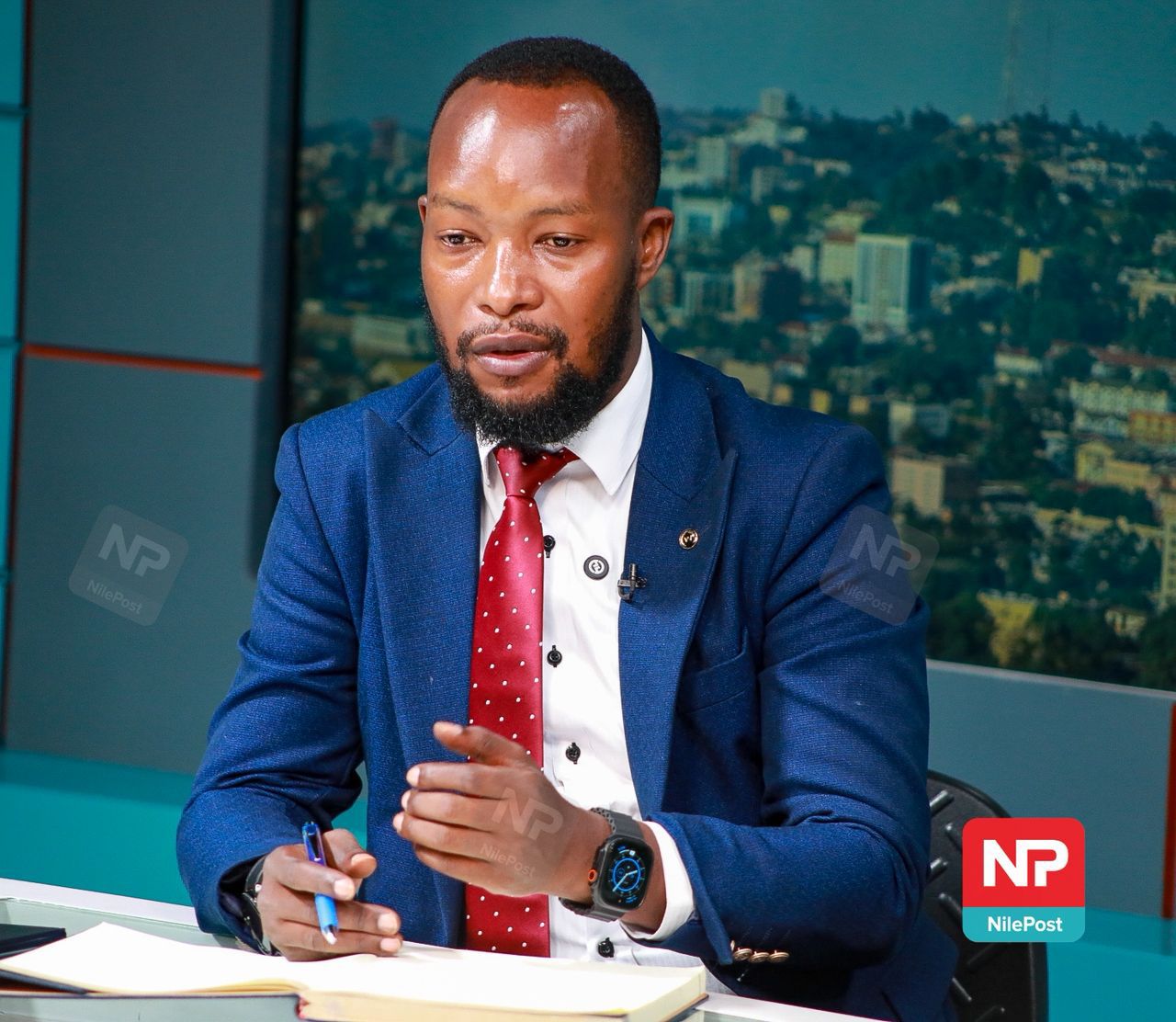
Corruption has, in practice if not in law, become Uganda’s main source of income and a defining economic force, according to prominent commentator Abraham Luzzi.
Speaking on Morning Breeze on Wednesday, Luzzi argued that the country’s political elite and civil service are increasingly driven by opportunities for illicit enrichment rather than public service.
Luzzi directly referenced President Yoweri Kaguta Museveni, whom he described as a freedom fighter who fought to create a stable and prosperous post-war Uganda.
“Mr Champion, you fought so many wars… the purpose of that fight was to produce a conducive environment for every Ugandan,” Luzzi said.
He warned, however, that the current struggle against corruption is another war no less vital than the battles of the past. If Uganda is to realise its development aspirations, this new war must be fought with equal commitment.
At the heart of Luzzi’s criticism was the discrepancy between official salaries and the often lavish lifestyles of public officials.
“Every government officer and civil servant’s wealth does not tally with their salaries; that is a clear indication of cheating and corruption,” he said, emphasising that side businesses in agriculture or trade should be declared transparently and should not be funded from public resources.
The scale of corruption in Uganda is staggering. According to the Inspectorate of Government (IGG), Uganda loses nearly Shs10 trillion annually to graft, representing a significant portion of domestic revenue—almost 44% in some assessments.
That loss could, in theory, translate to Shs1 billion per parish per year if equitably redistributed, underscoring the vast opportunity cost of corruption.
The IGG’s latest performance reports reveal persistent and pervasive corruption nationwide. Over the past year, the Inspectorate investigated 2,218 cases, recommending administrative action against 1,204 public officers and recovering Shs7 billion in stolen funds.
Kampala continues to top the list of complaints, with hundreds of cases recorded in the latest reporting period.
Luzzi pointed to a deeper cultural problem that inhibits tax compliance and fosters graft. Many citizens view paying taxes as a punishment rather than a patriotic obligation, a perception that allows corruption to entrench itself at both grassroots and high office levels.
This, he said, is compounded when leaders fail to model integrity and when loopholes in fiscal administration remain unaddressed.
The consequences extend beyond lost revenue. Corruption undermines service delivery, weakens public institutions, and erodes trust between citizens and the state.
“Ugandans often celebrate sudden wealth without questioning its origins,” Luzzi noted, echoing concerns raised by anti-corruption agencies about the glamorisation of illicit gains.
Beyond moral arguments, Luzzi also criticised voluntary tax exemptions granted to investors, which he said have cost the country an estimated Shs16 trillion over five years, while the supposed economic benefits have failed to match the losses.
Weak labour protections and the absence of a minimum wage, he added, leave workers vulnerable even as profits flow to stakeholders who pay little or no tax.
Luzzi urged government and citizens alike to treat the fight against corruption as a collective mission.
“Let people be apprehended. Let people not be greedy. Let people serve this country with dignity.” He warned that leaders will one day be gone, but the consequences of their actions—good or ill—will shape Uganda’s future for generations.
To reverse the corrosive effects of corruption, Luzzi called for stronger enforcement, greater transparency, cultural change in tax morality, and a unified commitment to reclaiming resources for national development rather than personal enrichment.
Until that happens, he said, corruption will continue to define Uganda’s economy more than legitimate enterprise or innovation.
